AI-Driven Automotive IT Managed Services: Transforming the Mobility Industry
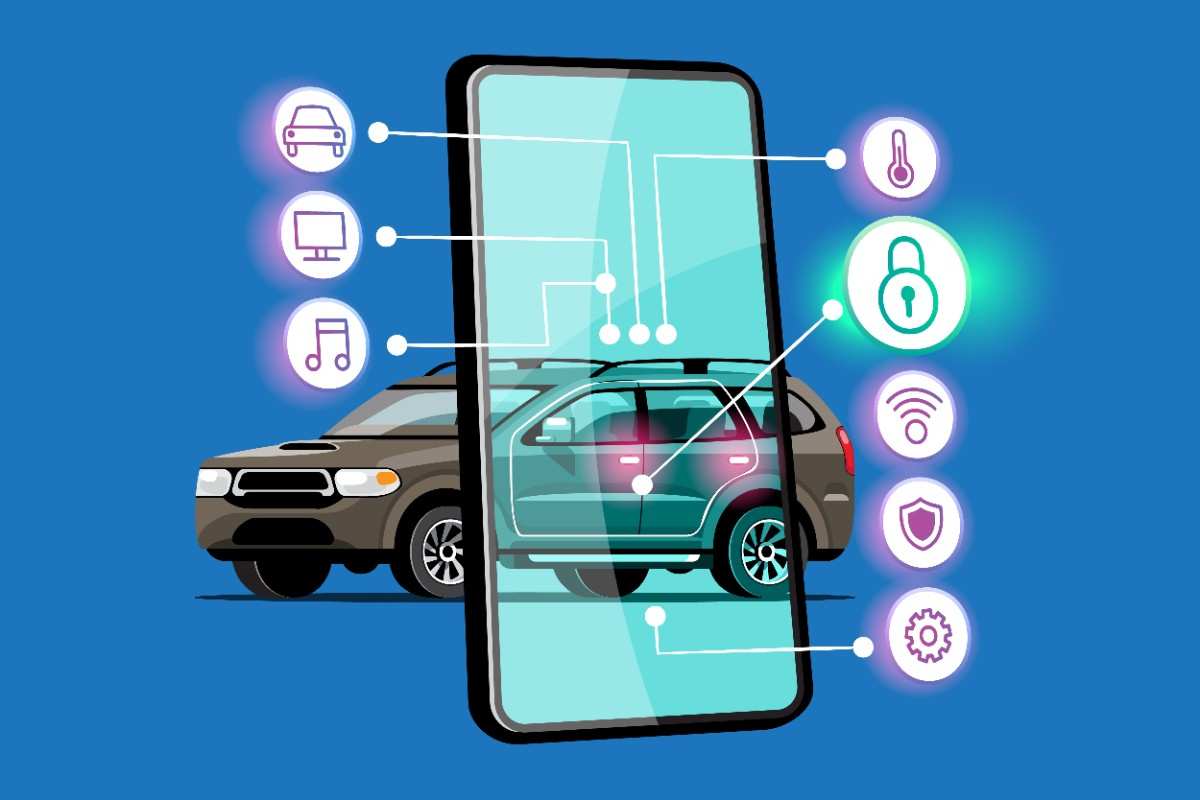
The automotive industry is currently navigating its most significant evolution since the invention of the assembly line. Today, the race is no longer just about mechanical engineering; it is about software supremacy. As vehicles evolve into sophisticated data centers on wheels, the demand for Automotive Industry IT Services & Solutions has skyrocketed. Transitioning from traditional hardware-centric models to software-defined ecosystems requires a strategic overhaul of internal systems.
By integrating Artificial Intelligence (AI) into managed services, automakers can move beyond reactive troubleshooting to a state of proactive innovation. This blog explores how AI-driven managed services are revolutionizing every facet of the mobility sector, ensuring that manufacturers stay competitive in an increasingly digital marketplace.
1. The Strategic Value of Automotive IT Services
In the modern era, Automotive IT services are the engine room of the enterprise. They encompass everything from back-office operations to the software running inside the vehicle’s cabin. However, managing these complex environments in-house is becoming increasingly difficult. AI-driven managed services provide the specialized knowledge and automation tools necessary to maintain high uptime while reducing operational costs.
Automotive IT Modernization: Building the Foundation
Before an OEM can deploy advanced AI, they must address their legacy debt. Automotive IT modernization is the essential first step in this journey. This involves migrating legacy applications to the cloud, containerizing workloads, and ensuring that the underlying infrastructure can handle the massive data throughput required by modern connected car features.
2. Navigating Complexity with Automotive Managed IT Services
As the volume of software in vehicles grows, so does the complexity of the supporting infrastructure. Automotive managed IT services offer a way for companies to outsource the heavy lifting of monitoring and management. By utilizing AI-driven platforms, these services can predict hardware failures in a data center or detect anomalies in a vehicle's communication stream before they escalate into critical issues.
The Role of Automotive IT Support and Maintenance
Reliability is non-negotiable in the automotive world. Automotive IT support and maintenance must operate on a 24/7 basis. Traditional support models are being replaced by "AIOps" (Artificial Intelligence for IT Operations), which uses machine learning to automatically resolve routine tickets, allowing human engineers to focus on high-level architectural improvements and innovation.
3. Realizing the Software-Defined Vehicle Services Model
We are entering the era of the Software-Defined Vehicle (SDV). In this model, the car's functions and features are primarily enabled through software. Software-defined vehicle services allow manufacturers to decouple hardware from software, enabling them to push performance upgrades, new safety features, and infotainment options to the vehicle over its entire lifespan.
Cloud and Data Engineering for Automotive
To support a fleet of SDVs, a robust backend is required. Cloud and data engineering for automotive focuses on building scalable pipelines that can ingest, process, and analyze petabytes of data. This engineering is what allows a vehicle to learn from its environment and share those insights back with the manufacturer to improve future models.
4. Accelerating Change via Automotive Digital Transformation Services
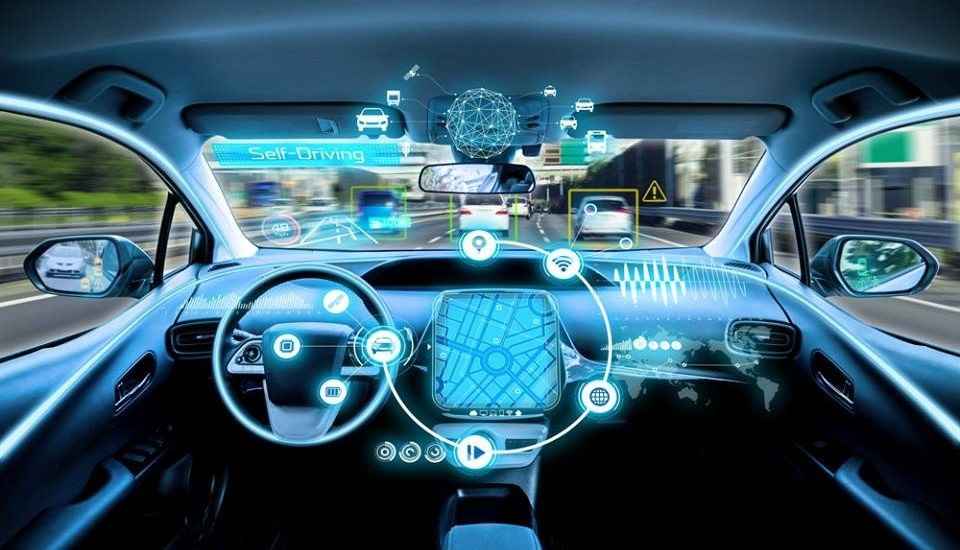
True transformation is more than just adopting new tools; it is a fundamental shift in business logic. Automotive digital transformation services help organizations integrate digital technology into all areas of the business, fundamentally changing how they operate and deliver value to customers. This includes digitizing the supply chain, utilizing digital twins for manufacturing, and rethinking the dealership model.
Automotive RPA and Process Automation
One of the most immediate impacts of digital transformation is felt in administrative efficiency. Automotive RPA and process automation (Robotic Process Automation) allow companies to automate high-volume, repeatable tasks such as processing warranty claims, managing supplier invoices, and streamlining HR onboarding. This reduces human error and significantly lowers the cost per transaction.
5. Advancing Safety with ADAS and Autonomous IT Services
The move toward self-driving cars is the ultimate "moonshot" for the industry. ADAS and autonomous IT services provide the massive computational power and data labeling infrastructure required to train deep learning models. These services ensure that the sensors, cameras, and LIDAR systems on a vehicle are constantly fed with the most accurate and up-to-date navigational data.
Automotive AI and ML Solutions
At the heart of autonomy are Automotive AI and ML solutions. These algorithms process sensor data in real-time to make split-second driving decisions. Beyond the road, AI and ML are used in "Predictive Maintenance" to alert drivers to a failing part before a breakdown occurs, enhancing both safety and the long-term value of the vehicle asset.
6. Connectivity and the Future of Mobility
The modern vehicle is a node in a vast global network. Connected vehicle IT solutions ensure that cars can communicate with each other (V2V), with infrastructure (V2I), and with the cloud (V2C). This connectivity is the foundation for smart city integration and enhanced traffic management.
Automotive Telematics and Connectivity
Data generated by the vehicle is a goldmine for insights. Automotive telematics and connectivity solutions track vehicle location, driver behavior, and mechanical health. When analyzed correctly, this data allows OEMs to offer personalized insurance, improve fuel efficiency, and even provide location-based services to the driver.
7. Pioneering EV and Connected Mobility IT Solutions
The global shift toward electrification brings a new set of IT requirements. EV and connected mobility IT solutions are focused on managing the "Electric Vehicle" ecosystem, which includes battery management systems, charging station locators, and integration with renewable energy grids. AI helps optimize charging cycles to preserve battery life and manage peak load on the grid.
Hybrid Cloud Automotive Solutions
The data generated by EVs and connected cars is too vast to be stored in one place. Hybrid cloud automotive solutions provide the perfect balance, keeping time-sensitive data at the "edge" (the vehicle) for immediate processing while sending larger datasets to the public or private cloud for long-term analysis and model training.
8. Securing the Ecosystem with Automotive Cybersecurity Services
As cars become more connected, they become targets for cyber threats. Automotive cybersecurity services are now a foundational requirement for any IT managed service. These services implement multi-layered defense strategies, including secure boot, encrypted communication, and continuous threat monitoring to protect the vehicle’s control systems from unauthorized access.
9. Leveraging Automotive GenAI and Automation Solutions
The rise of Large Language Models (LLMs) has introduced Automotive GenAI and automation solutions to the industry. Generative AI can assist engineers in writing code for new vehicle features, generate synthetic data for autonomous driving simulations, and even help designers create more aerodynamic vehicle bodies.
Automotive Data Analytics and Insights
Raw data is just noise without the right tools. Automotive data analytics and insights platforms take the vast streams of information from connected cars and turn them into actionable business intelligence. This helps manufacturers understand which features customers use most and where they should invest their R&D budgets next.
10. Reimagining the Customer Journey
The digital transformation of the automotive industry isn't limited to the vehicle itself; it extends to how customers interact with the brand.
Automotive Omnichannel Customer Experience
Modern consumers expect a seamless transition between digital and physical touchpoints. An automotive omnichannel customer experience ensures that a customer can start their car configuration on a mobile app, continue it on a desktop, and finalize it at a dealership without ever having to repeat information.
Automotive Digital Commerce Solutions
Buying a car is becoming as simple as buying a pair of shoes online. Automotive digital commerce solutions enable direct-to-consumer sales, online financing, and virtual test drives. These platforms are integrated with the manufacturer’s IT core to provide real-time inventory updates and personalized pricing.
11. Streamlining Operations with Automotive IT Infrastructure Management
To support all the technologies mentioned above, a stable and high-performing backend is required. Automotive IT infrastructure management involves the oversight of servers, storage, and networks that power the entire ecosystem. Managed service providers use AI to optimize resource allocation, ensuring that high-demand applications (like navigation or streaming) always have the bandwidth they need.
The Breadth of Automotive-services
The term Automotive-services has expanded to include everything from roadside assistance to digital subscriptions for in-car features. By leveraging AI-driven IT management, brands can offer these services more reliably and at a higher quality than ever before.
Summary of Key Components
| Keyword Focus | Strategic Impact |
|---|---|
| ADAS and autonomous IT services | Enables safer, self-driving capabilities. |
| Automotive AI and ML solutions | Powers predictive maintenance and smart features. |
| Automotive Cybersecurity | Protects passenger data and vehicle safety. |
| Hybrid Cloud Solutions | Balances performance with global scalability. |
Conclusion: Driving into a Software-First Future
The transformation of the mobility industry is no longer a future prediction—it is a current reality. By adopting AI-Driven Automotive IT Managed Services, companies can turn the challenge of digital complexity into a competitive advantage. From the implementation of Software-defined vehicle services to the deployment of Automotive GenAI and automation solutions, the roadmap to success is paved with intelligent, managed code.
The winners of the next decade will be those who view their vehicles not just as machines, but as platforms for innovation. Embracing Automotive Industry IT Services & Solutions is the only way to ensure your brand remains relevant in the era of connected, autonomous, and electric mobility.
