The Internet in 2026: How AI Is Reshaping a Bigger, More Fragile Digital World

The digital landscape has reached a fever pitch. As we navigate the future of the internet, it is clear that we are no longer just "using" tools; we are co-existing within a living, breathing AI-driven digital transformation. By 2026, the shift from static web pages to autonomous, agentic ecosystems is complete. However, this growth comes with a paradox: as the web becomes more capable through AI reshaping the internet, it also becomes significantly more susceptible to systemic collapses.
In this deep dive, we explore how generative AI software development and the OpenAI chatbot evolution have moved from novelty to necessity, and why building a future-proof digital ecosystem with AI is the only way to survive the coming "Data Shockwave."
1. The Dawn of Agentic Intelligence: Internet Trends 2026
In 2026, the most prominent internet trends 2026 revolve around "Agentic AI." Unlike the reactive bots of 2023, today’s internet is populated by autonomous agents capable of multi-step reasoning and independent execution.
How AI is Changing the Internet in 2026
The core of this change lies in how we interact with information. We have moved beyond the "search and click" era into an "intent and execute" era. Artificial intelligence impact on internet architecture has forced a transition where:
- Search Generative Experience (SGE) has replaced traditional blue links.
- AI-powered products and solutions act as personal intermediaries, negotiating with websites on behalf of users.
- Generative AI software development has commoditized app creation, leading to a saturated but hyper-personalized web.
Through AI-powered app development, cloud solutions & digital transformation, CQLsys and other industry leaders are now focusing on "inter-agent communication," where your personal OpenAI chatbot talks directly to a travel site’s agent to book a trip without you ever seeing a UI.
2. The Infrastructure Paradox: AI and Internet Infrastructure
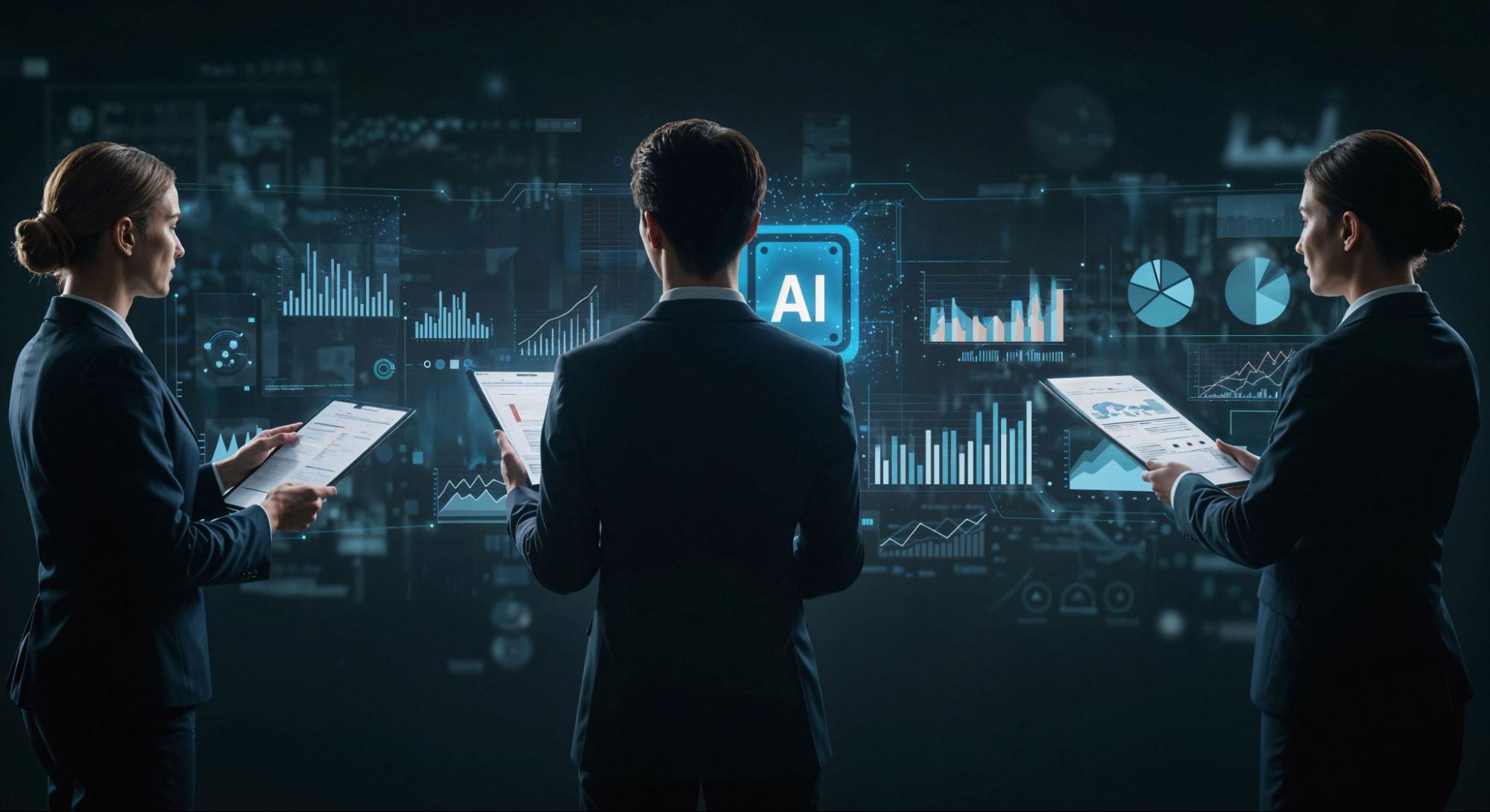
The sheer volume of data required to sustain these models has put immense pressure on AI and internet infrastructure. As we scale, we encounter a hard truth: the physical world—silicon, power, and subsea cables—is struggling to keep up with the virtual demand.
Scalable AI Systems and Resource Strain
To maintain scalable AI systems, 2026 has seen a massive surge in edge computing. We cannot send every bit of data back to a central "brain" without causing lag.
"The network is now the control plane of AI. Success in 2026 isn't about how many GPUs you have, but how intelligently your data moves between them."
The AI impact on digital infrastructure is visible in the "AI-Energy Nexus." Data centers now consume more power than some medium-sized nations. This creates a digital ecosystem fragility where a single localized power grid failure can disrupt global AI services.
3. The Fragility Gap: Risks of AI-Driven Internet Growth
While the internet is "bigger" in terms of capability, it is "more fragile" in its dependencies. The risks of AI-driven internet growth are no longer theoretical.
Internet Scalability and Fragility
The current digital ecosystem fragility stems from three main factors:
- Data Saturation: The "dead internet theory" is partially a reality, as AI-generated content clutters training sets, leading to model collapse.
- Autonomous Failures: When an autonomous agent "hallucinates" a command in a supply chain, the real-world consequences are immediate.
- Vendor Concentration: Dependency on a few massive AI-powered products and solutions means a single API outage can paralyze millions of businesses.
To counter this, companies are shifting toward AI-powered digital resilience, creating "circuit breakers" for autonomous systems to prevent cascading failures.
4. Cybersecurity in the Age of Autonomy: AI in Cybersecurity and Resilience
The same tools used for AI-driven digital transformation are being weaponized. In 2026, we face "Adaptive Attacks"—malware that mutates in real-time to find vulnerabilities.
AI-Powered Digital Resilience Strategies
To survive, AI in cybersecurity and resilience must be "Secure by Design." Leading firms are implementing:
- Zero Trust AI Architectures: Verifying every agentic interaction.
- Predictive Threat Modeling: Using AI to "red team" itself and find holes before hackers do.
- Post-Quantum Cryptography: Protecting data against the next generation of decryption tools.
Through AI-powered app development, cloud solutions & digital transformation, CQLsys assists enterprises in migrating from reactive firewalls to proactive, self-healing networks that can quarantine hostile traffic at machine speed.
5. Building the Future: Next-Generation Internet Technologies
The future of the internet belongs to those who can balance speed with stability. We are seeing the rise of next-generation internet technologies that prioritize decentralized intelligence.
Future-Proof Digital Ecosystems with AI
A truly future-proof digital ecosystem with AI requires a focus on:
- Multimodal Integration: Systems that process text, voice, and vision simultaneously for better context.
- Sustainable Compute: Moving away from raw power toward "Every Watt Counts" efficiency.
- Interoperable Standards: Ensuring that an OpenAI chatbot can work seamlessly across different cloud providers without lock-in.
| Feature | 2023 Internet | 2026 Internet |
|---|---|---|
| Primary Input | Text/Keyboard | Voice/Intent/Vision |
| Logic | Programmed Rules | Agentic Reasoning |
| Security | Reactive/Human-led | Proactive/AI-driven |
| Infrastructure | Centralized Cloud | Distributed Edge/AI Fabrics |
Conclusion: Navigating the AI-First World
The internet of 2026 is a marvel of human engineering, yet it stands on a delicate foundation. AI reshaping the internet has brought us closer to a world of frictionless productivity, but it has also introduced internet scalability and fragility that requires constant vigilance.
By investing in AI-powered products and solutions that prioritize AI-powered digital resilience, businesses can turn these risks into competitive advantages. Whether you are leveraging generative AI software development or navigating the complexities of AI-driven digital transformation, the goal remains the same: building a world that is not just bigger, but smarter and safer.
Ready to secure your digital future?
Would you like me to create a customized AI-driven digital
transformation roadmap for your business to help you stay ahead of these
2026 trends?
